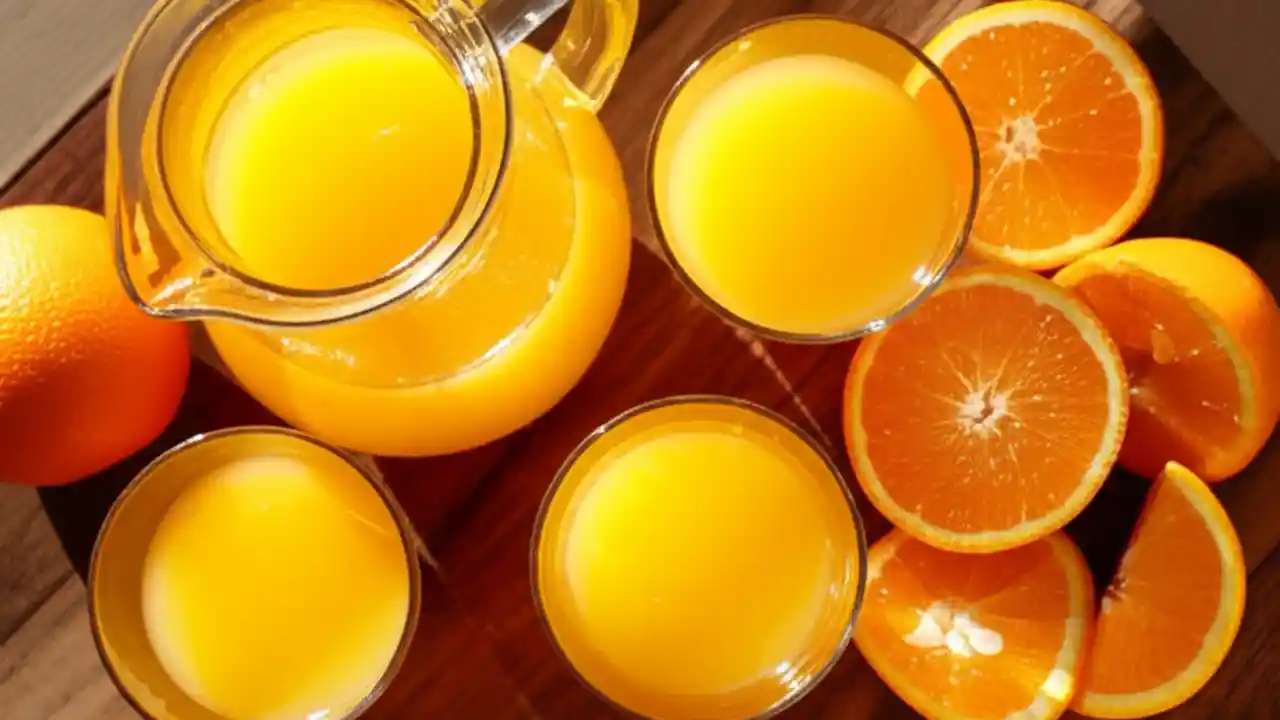
There’s nothing quite like the vibrant burst of flavor from a glass of freshly squeezed orange juice. While store-bought options offer convenience, they often come loaded with added sugars, preservatives, and lack the unparalleled freshness and nutritional punch of homemade. Making your own orange juice at home isn't just about crafting a delicious beverage; it’s an empowering step towards a healthier lifestyle, giving you complete control over what goes into your glass. From selecting the plumpest oranges to mastering efficient juicing techniques, this ultimate guide will show you exactly how to make orange juice that's far superior to anything you’ll find on a shelf.
Why Choose Homemade? The Unbeatable Benefits of Freshly Squeezed OJ
Ditching the carton for a homemade glass of orange juice brings a multitude of advantages that go far beyond just taste. Here’s why investing a little time in making your own is truly worth it:
- Unmatched Flavor and Freshness: The moment you taste freshly squeezed orange juice, you'll understand. It's naturally sweet, intensely fruity, and incredibly invigorating, a stark contrast to the often flat, concentrated taste of commercial varieties. There are no artificial flavors or "natural" flavorings here – just pure, unadulterated orange goodness.
- A Nutritional Powerhouse: Fresh orange juice is brimming with essential vitamins, particularly Vitamin C, a powerful antioxidant crucial for immune health, skin vitality, and iron absorption. When you make it yourself, you ensure maximum nutrient retention, as vitamins can degrade over time in processed juices. You also avoid the added sugars often found in store-bought versions, which contribute to empty calories without beneficial nutrients.
- Complete Customization: Do you prefer your orange juice with a rich, fibrous pulp, or silky smooth? When you make it at home, you decide! You can also experiment with different orange varieties to adjust sweetness and acidity, or even blend with other fruits for unique flavor profiles.
- No Unwanted Additives: With homemade juice, the ingredient list is simple: oranges. You bypass the preservatives, artificial colors, and excess sugars often found in commercial products, ensuring a clean and wholesome drink for you and your family.
Selecting the Perfect Oranges for Maximum Yield & Flavor
The secret to exceptional homemade orange juice starts long before you even touch a juicer. It begins with choosing the right oranges. While nearly any orange can be juiced, some varieties truly shine, offering more juice, better flavor, and less bitterness. Here’s how to pick the best for your juicing adventure:
Top Orange Varieties for Juicing:
- Navel Oranges: These are a popular choice due to their easy-to-peel skin, seedless nature, and sweet, classic orange flavor. They are usually quite large and yield a good amount of juice.
- Pro Tip: Navel orange juice can develop a bitter aftertaste if not consumed immediately due to compounds called limonin in the pith. It’s best enjoyed fresh!
- Valencia Oranges: Often considered the "king of juicing oranges," Valencias are known for their high juice content, bright flavor, and ideal balance of sweetness and tartness. Unlike Navels, their juice retains its fresh taste for longer, making them excellent for preparing in advance. They may contain a few seeds.
- Blood Oranges: For a unique twist, try blood oranges when they are in season (typically winter to early spring). Their distinctive crimson flesh produces a beautiful, ruby-red juice with a tart-sweet flavor that has hints of berry. They add a gourmet touch to any drink.
- Tangerines, Clementines, & Satsumas: These smaller, sweeter, and easier-to-peel mandarins are fantastic for a sweeter, less acidic juice. They are great for kids or anyone who prefers a milder orange flavor. You might need more of them to yield a significant amount of juice, but their distinct sweetness is worth it.
General Selection Tips for Any Orange:
- Heavier is Better: Pick oranges that feel heavy for their size. This indicates a high water content, meaning more juice!
- Firm and Smooth Skin: Look for oranges with firm, smooth skin free of soft spots, mold, or excessive blemishes. A little scarring is fine, but avoid anything that feels mushy or has deep cuts.
- Bright Color: While color doesn't always indicate ripeness (some ripe oranges can have green patches), a vibrant, consistent color is generally a good sign.
- Fragrant Smell: Give the orange a sniff. A sweet, citrusy aroma indicates ripeness and good flavor.
- Rolling for Yield: Before cutting, gently roll the oranges on a hard surface with the palm of your hand. This helps break down the internal membranes, making it easier to extract more juice.
- Warm Them Up: If your oranges are straight from the fridge, let them come to room temperature or even briefly warm them in the microwave (10-15 seconds) before juicing. Warmer fruit yields more juice.
Mastering the Art: Different Methods for Making Homemade Orange Juice
Making fresh orange juice is surprisingly simple, and you don’t necessarily need fancy equipment. Whether you have a dedicated juicer or just a blender and a sieve, you can enjoy delicious, healthy orange juice. Here are three popular methods:
1. The Electric Juicer Method: Speed and Efficiency
An electric juicer (centrifugal or masticating) is perhaps the most efficient way to extract juice, especially if you plan to make large batches frequently. For a deeper dive into different equipment options, check out our guide on Juicer, Blender, Handheld: Make Custom Orange Juice with Pulp or Without.
- Prepare the Oranges: First, peel the oranges. For centrifugal juicers, it's often recommended to remove as much of the white pith as possible, as it can impart bitterness. For masticating (cold-press) juicers, a little pith is usually fine, but still peel the outer skin.
- Chop: Cut the peeled oranges into smaller pieces that easily fit into your juicer's feed chute.
- Juice: Turn on your juicer and feed the orange segments into the chute, pushing them down with the tamper. The juicer will separate the pulp from the juice, yielding a smooth, vibrant drink.
- Serve: Enjoy immediately!
Pros: Very fast, high yield, automatically separates pulp, generally cleaner process.
Cons: Requires specific equipment, can be noisy, cleanup can be more involved.
2. The Blender Method: Versatility and Fiber-Rich Options
Don't have a juicer? A powerful blender can easily transform oranges into a pulpy, delicious juice. This method is excellent if you prefer a thicker, more fiber-rich juice, or if you want to strain it for a smoother consistency.
- Prepare the Oranges: Peel the oranges thoroughly. Optionally, remove any seeds if you prefer to skip the straining step (though straining will remove them anyway). You can also remove more of the white pith to reduce potential bitterness.
- Blend: Add the orange segments to your blender. If the blender struggles, add a small splash of water (about 1/4 cup for 3-4 oranges) to help it process, but avoid too much to prevent watering down the flavor.
- Blend until Smooth: Process until the oranges are completely broken down into a juicy, pulpy consistency.
- Strain (Optional): If you prefer juice without pulp, pour the blended mixture through a fine-mesh sieve, a nut milk bag, or a cheesecloth-lined colander. Use a spoon or spatula to press down and extract all the liquid. For orange juice with pulp, simply skip this step!
- Serve: Pour into a glass and enjoy the fresh, pulpy goodness.
Pros: Uses common kitchen equipment, can retain more fiber (if unstrained), easy to clean.
Cons: Produces a thicker, more pulpy juice (unless strained), may require more effort for pulp-free results.
3. The Handheld Citrus Juicer (Reamer) Method: Simplicity & Tradition
This classic method is tried and true, requiring minimal equipment and providing a wonderfully authentic experience. It's perfect for a single serving or small batches. For more straightforward approaches, see our article on Simple Ways to Make Fresh Orange Juice at Home (No Added Sugar!).
- Prepare the Oranges: Halve each orange across its equator.
- Juice: Place one orange half over the reamer (the cone-shaped part of the juicer). Press down firmly and twist back and forth, rotating the orange to extract as much juice as possible. Keep a bowl or glass underneath to catch the juice.
- Maximize Yield: Don't be afraid to apply pressure. You can also scrape the inside of the orange peel with a spoon to get any remaining bits of pulp and juice.
- Pulp (Optional): If you like pulp, simply spoon some directly from the squeezed orange halves into your glass.
- Serve: Strain if desired for pulp-free juice, or enjoy as is.
Pros: Inexpensive, easy to clean, simple and direct.
Cons: More manual effort, can be messier, yield might be slightly lower than electric methods.
Maximizing Your Orange Juice Yield and Storage Tips
Getting the most juice out of every orange is key to a rewarding homemade experience. Here are a few final tips:
- Roll and Warm Your Oranges: As mentioned, rolling oranges on the counter and letting them come to room temperature (or gently warming) before juicing significantly increases juice extraction.
- Apply Consistent Pressure: Regardless of the method, steady, firm pressure will yield more juice than quick, jerky movements.
- Don't Waste the Pulp (Handheld Method): After using a handheld reamer, scrape the inside of the orange halves with a spoon. You'll often find a good amount of pulp and residual juice that can be added to your drink or used in recipes.
- How Much Juice is in One Orange? On average, a common Navel or Valencia orange will yield about 1/4 to 1/3 cup (60-80ml) of juice. This can vary widely based on the orange variety, size, ripeness, and juicing method. Don't be surprised if smaller oranges like mandarins yield less.
Storing Your Homemade Orange Juice
Freshly squeezed orange juice is best enjoyed immediately to reap the maximum nutritional benefits and flavor. However, if you have leftovers:
- Refrigerate: Store any leftover juice in an airtight glass container in the fridge for up to 3 days. Glass is preferable to plastic as it won't absorb flavors or potentially leach chemicals.
- Freeze: For longer storage, pour orange juice into ice cube trays. Once frozen, transfer the cubes to a freezer-safe bag. These are perfect for adding to smoothies, cocktails, or for defrosting small portions when you need a citrus boost.
Conclusion
Embracing the process of making your own orange juice is a delightful journey that rewards you with superior flavor, maximum nutrition, and complete control over your ingredients. From carefully selecting the juiciest oranges to choosing the perfect method for your needs, every step contributes to a truly invigorating and wholesome beverage. So, ditch the store-bought cartons, experiment with different orange varieties, and discover the unmatched pleasure of a glass of homemade orange juice. It's a simple luxury that truly elevates your day.
