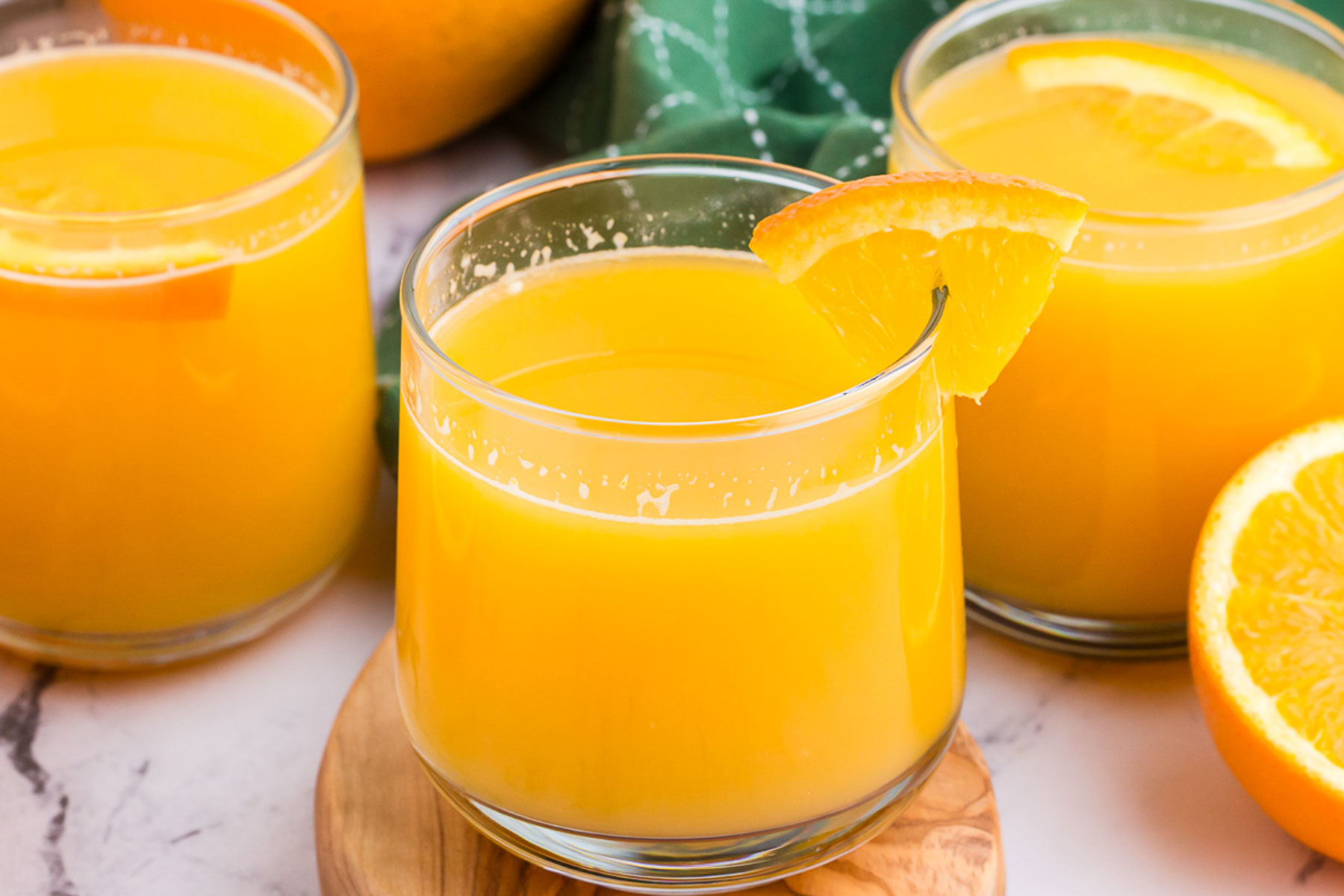
Simple Ways to Make Fresh Orange Juice at Home (No Added Sugar!)
There's something uniquely satisfying about a glass of freshly squeezed orange juice. It’s a vibrant burst of natural sweetness and tang, a far cry from the often overly processed, sugar-laden cartons found in supermarket aisles. If you've ever wondered how to make orange juice that truly tastes like sunshine in a glass, you're in the right place. This comprehensive guide will walk you through various simple methods to create delicious, sugar-free orange juice right in your own kitchen, ensuring every sip is packed with natural goodness. Making orange juice at home is a rewarding experience that offers unparalleled freshness, flavor, and nutritional benefits. Forget about added sugars, preservatives, or concentrates; with homemade OJ, you control exactly what goes into your glass – just pure, unadulterated fruit. It’s also an excellent way to boost your daily intake of essential vitamins, especially vitamin C, alongside vital minerals and antioxidants.Why Choose Homemade Over Store-Bought Orange Juice?
The difference between homemade and store-bought orange juice is akin to comparing a fresh garden salad to a pre-packaged one. While convenience is often a draw, the compromise in taste, nutrition, and ingredient purity is significant. When you learn how to make orange juice yourself, you unlock a world of benefits:- Unmatched Freshness and Flavor: Freshly squeezed juice boasts a brighter, more intense citrus flavor that commercial varieties simply can't replicate. It's often sweeter naturally, eliminating the need for any added sweeteners.
- No Added Sugars or Preservatives: Many store-bought juices, even those marketed as "natural," contain significant amounts of added sugar or artificial sweeteners and preservatives to extend shelf life. Your homemade version is just fruit, pure and simple.
- Maximum Nutritional Value: Juicing oranges at home ensures you're getting the most vitamins, minerals, and enzymes directly from the fruit, which can degrade over time in processed options. It's a fantastic source of Vitamin C, folate, and potassium.
- Customizable Pulp Content: Do you prefer your orange juice silky smooth or with a hearty amount of pulp? Making it at home allows you to dictate the pulp level, tailoring it perfectly to your preference. Pulp adds extra fiber and nutrients, so keeping some in is often a great choice!
Essential Tools for Juicing Success: Three Easy Methods
Making fresh orange juice doesn't require specialized, expensive equipment. In fact, you likely already have one of the necessary tools at home. Here are three popular and effective ways to get that glorious liquid from fruit to glass. For a deeper dive into the pros and cons of each method and how they impact your juice's texture, you might find our article Juicer, Blender, Handheld: Make Custom Orange Juice with Pulp or Without particularly helpful.Method 1: The Electric Juicer (Masticating or Centrifugal)
If you own an electric juicer, this method is fantastic for quickly processing larger quantities of oranges. Both centrifugal and masticating (cold press) juicers work efficiently, though masticating juicers are often lauded for preserving more nutrients due to less heat generation.How to:
- Prepare the Oranges: Begin by washing your oranges thoroughly. While some juicers can handle peel, it's generally recommended to peel them first, especially if you want to avoid any bitter notes from the pith. Chop the peeled oranges into pieces small enough to fit comfortably into your juicer's chute.
- Juice: Feed the orange segments into the juicer chute a few at a time, using the tamper to gently push them down. The juicer will separate the juice from the pulp, delivering fresh, vibrant orange juice into your collection container.
- Serve: Enjoy immediately for the best taste and nutrient retention.
Tip: For a pulp-free experience, you can strain the resulting juice through a fine-mesh sieve. If you enjoy pulp, simply skip this step!
Method 2: The Blender Method (for a Thicker, Pulpy Juice)
The blender method is ideal for those who love a thicker, pulpy juice, or for anyone without a dedicated juicer. It's also excellent for extracting maximum fiber from the fruit.How to:
- Prepare the Oranges: Wash and peel your oranges. Remove any large seeds if visible, though this isn't strictly necessary if you plan to strain the juice later. Break the oranges into smaller segments.
- Blend: Place the orange segments into your blender. Depending on the power of your blender and the juiciness of your oranges, you might need to add a splash of water (about 1/4 cup for several oranges) to help facilitate blending. Be cautious not to add too much, as it can dilute the flavor.
- Process: Blend on high speed until you achieve a smooth, pulpy consistency.
- Strain (Optional): If you prefer less pulp, pour the blended mixture through a fine-mesh sieve, a nut milk bag, or cheesecloth. Use a spoon or spatula to press down and extract as much liquid as possible, leaving the fibrous pulp behind. If you love orange juice with pulp (which offers more dietary fiber!), you can serve it as is.
Tip: For a cooler juice, use chilled oranges or add a few ice cubes during blending.
Method 3: The Classic Handheld Citrus Juicer (Effortless & Simple)
The handheld citrus juicer, often just called a reamer, is a timeless and incredibly simple tool for making orange juice. It’s inexpensive, requires no electricity, and is perfect for making a glass or two.How to:
- Prepare the Oranges: Wash your oranges thoroughly. Cut each orange in half crosswise.
- Juice: Place one orange half onto the reamer (the ridged cone). Press down firmly and rotate the orange half back and forth, grinding it against the reamer to extract the juice. The juice will collect in the reservoir below. Repeat with the remaining orange halves.
- Pulp Control: Most handheld juicers have a built-in strainer to catch large seeds and excessive pulp. For extra pulp, you can simply scoop some of the remaining pulp from the squeezed orange halves and add it to your glass.
- Serve: Pour the fresh juice into a glass and enjoy!
Tip: Before cutting, roll the whole oranges firmly on a countertop for a few seconds. This helps break down the internal membranes and can significantly increase your juice yield.
Pro Tips for the Perfect Homemade Orange Juice
Choosing the Best Oranges for Juicing
The quality of your juice largely depends on the quality of your oranges. While many types of oranges are suitable for juicing, some stand out for their flavor and juice content.- Valencia Oranges: Often considered the gold standard for juicing due to their high juice content and balanced sweet-tart flavor.
- Navel Oranges: Sweet and easy to peel, Navel oranges are popular. However, be aware that their juice can develop a slightly bitter taste if not consumed immediately due to a compound called limonin that intensifies over time once exposed to air.
- Blood Oranges: When in season, these add a beautiful reddish hue and a unique, berry-like flavor profile.
- Tangerines, Clementines, and Satsumas: These smaller, sweeter citrus fruits yield lovely juice with a slightly milder, sweeter flavor, often less acidic than common oranges.
Look for oranges that feel heavy for their size (indicating high juice content), have smooth, firm skin, and smell fragrant. Avoid any with soft spots or mold.
Maximizing Juice Yield
To get the most out of every orange:- Roll 'Em: As mentioned, rolling oranges on a hard surface before cutting and juicing helps loosen the membranes and extract more juice.
- Warm Them Slightly: Room temperature or slightly warmed oranges tend to yield more juice than cold ones. You can briefly microwave them for 10-20 seconds (ensure they don't get hot) or soak them in warm water.
- Cut Correctly: Always cut oranges crosswise (through the 'equator') rather than lengthwise. This exposes more of the juicy segments to the reamer or juicer blades.
Pulp Control and Bitterness
Your preference for pulp is entirely personal. For a smoother juice, use a fine-mesh strainer or nut milk bag after juicing. To avoid bitterness, especially with Navel oranges, it's best to consume the juice immediately. The white pith directly under the peel can also contribute to bitterness, so a good, clean peel is beneficial if you're using an electric juicer or blender.Storage and Freshness
Freshly squeezed orange juice is best enjoyed immediately to maximize its vibrant flavor and nutritional content. However, if you have leftovers, store them in an airtight glass container in the refrigerator for up to 3 days. While still safe to drink, the flavor and nutrient profile may start to diminish after the first day.Frequently Asked Questions About Homemade Orange Juice
How much juice can I expect from one orange?
On average, a common Navel or Valencia orange will yield approximately 1/4 to 1/3 cup of juice. This can vary significantly based on the size, ripeness, and specific variety of the orange. Larger, juicier oranges will naturally yield more.Can I mix different types of oranges or other citrus fruits?
Absolutely! Experimenting with different orange varieties or combining them with other citrus fruits like grapefruits, lemons, or limes can create unique and delicious flavor profiles. A dash of lemon or lime can also brighten the flavor and balance sweetness.What if my orange juice tastes bitter?
Bitterness in orange juice often comes from the pith (the white part of the peel) or from certain compounds like limonin, which is particularly present in Navel oranges and can develop after the juice has been sitting for a while. To minimize bitterness:- Peel oranges thoroughly, removing as much pith as possible.
- Consume Navel orange juice immediately after squeezing.
- Consider using Valencia oranges, which are less prone to bitterness.
