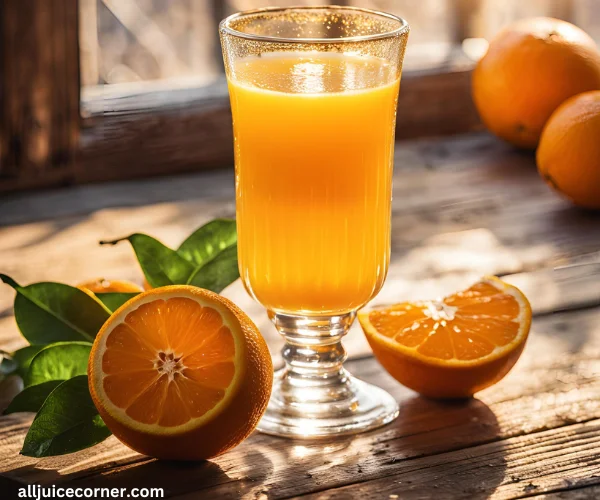
There’s nothing quite like the vibrant, zesty taste of freshly squeezed orange juice. While grabbing a carton from the grocery store is convenient, it often comes with added sugars, preservatives, and a flavor profile that pales in comparison to its homemade counterpart. Imagine sipping on a glass that’s bursting with natural sweetness, packed with vitamins, and customized exactly to your liking – whether you prefer it silken smooth or delightfully pulpy. Learning how to make orange juice at home isn't just a culinary skill; it's an upgrade to your breakfast routine and a simple step towards a healthier lifestyle.
In this comprehensive guide, we'll explore three primary methods for creating your own liquid sunshine using tools you likely already have: a dedicated juicer, a versatile blender, or a simple handheld citrus press. Each technique offers unique advantages, allowing you to tailor your orange juice experience from start to finish. Say goodbye to 'from concentrate' and hello to unparalleled freshness!
The Undeniable Appeal of Homemade Orange Juice
Why go through the "trouble" of making your own orange juice when store shelves are brimming with options? The answer lies in the profound difference in quality, taste, and nutritional value. When you make orange juice yourself, you unlock a host of benefits:
- Superior Flavor & Freshness: Store-bought juices, even those labeled "not from concentrate," often undergo processing that diminishes their natural sweetness and introduces an artificial aftertaste. Freshly squeezed juice is incomparably fruity, vibrant, and free from any "nasty" additives.
- Uncompromised Nutrition: A glass of homemade orange juice is a powerhouse of essential nutrients. It's rich in Vitamin C, a potent antioxidant crucial for immune health, as well as folate, potassium, and other beneficial plant compounds. You control every ingredient, ensuring no added sugars, artificial colors, or preservatives dilute its goodness.
- Customization at Your Fingertips: This is perhaps one of the biggest draws. Do you love a thick, fiber-rich juice with plenty of pulp? Or do you prefer a smooth, velvety sip? When you learn how to make orange juice at home, you dictate the pulp level. You can also experiment with different orange varieties or even create unique blends.
- Cost-Effective & Sustainable: In the long run, especially when oranges are in season, making your own juice can be more economical. It also allows you to minimize packaging waste compared to buying multiple cartons.
Mastering the Methods: How to Make Orange Juice with Your Kitchen Tools
Regardless of your kitchen setup, there's a method for you to create delicious, custom orange juice. Let's delve into the techniques.
1. The Classic Approach: Using a Juicer
For those who love convenience and often make large batches of juice, an electric juicer is an excellent investment. This method typically yields the purest, least pulpy juice with minimal effort.
- Preparation: Start by selecting ripe, firm oranges. While many juicers can handle oranges with peel, peeling them first can improve the flavor (removing any bitterness from the pith) and extend the life of your machine. Chop the peeled oranges into smaller pieces that fit comfortably down your juicer's chute.
- Juicing Process: Feed the orange segments into the juicer chute, pushing them down gently with the provided plunger. The juicer will separate the juice from the pulp, sending the liquid directly into a collection jug.
- Enjoy! Your fresh, vibrant orange juice is ready to drink immediately.
Pros: Highly efficient, great for large volumes, produces clear juice with little pulp, minimal physical effort. Cons: Requires a dedicated appliance, can be expensive, cleanup of multiple juicer parts can be time-consuming. Tip: Experiment with different types of oranges. While Navel oranges are delicious, their juice can turn bitter if not consumed quickly. Valencia oranges, on the other hand, are renowned for their high juice yield and excellent flavor that holds up well. For more on choosing the best oranges and maximizing your yield, check out our guide: The Ultimate Guide to Homemade Orange Juice: Choosing Oranges & Max Yield.
2. Blender Power: For a Pulpy or Smooth Experience
If you don't own a juicer, your blender is a surprisingly capable tool for making orange juice, especially if you enjoy the added fiber of pulp. This method gives you ultimate control over the texture.
- Preparation: Peel your oranges completely. For a smoother juice later, you can optionally remove any seeds at this stage, though it’s not strictly necessary if you plan to strain thoroughly. Chop the peeled orange segments into smaller, manageable pieces.
- Blending Process: Add the orange segments to your blender. To help the blending process, especially with less powerful blenders, you can add a small splash of water – about 1/4 cup for several oranges should be enough to assist blending without significantly diluting the flavor.
- Achieve Desired Consistency: Blend on high until you reach a juicy, pulpy consistency.
- Pulp Control:
- With Pulp: If you love pulpy orange juice (and its extra nutrients!), simply pour the blended mixture directly into your glass.
- Without Pulp: For a smoother juice, pour the blended mixture through a fine-mesh sieve, a nut milk bag, or a cheesecloth-lined colander. Press down on the pulp with a spoon or squeeze the bag to extract as much liquid as possible.
Pros: Highly versatile (your blender does many jobs!), excellent for preserving fiber (if you keep the pulp), no special juicer needed. Cons: Can result in very pulpy juice if not strained, more steps if a smooth consistency is desired. Tip: Start with no water and only add a tablespoon or two at a time if the oranges aren't blending well. Over-blending can sometimes incorporate too much air, creating a frothy top, so blend until just smooth.
3. Handheld Simplicity: The Manual Squeeze
For a quick glass, small batches, or a budget-friendly option, a handheld citrus reamer or press is an unbeatable choice. This method is as straightforward as it gets.
- Preparation: Simply slice your oranges in half across the middle.
- Squeezing Process: Place one orange half onto the reamer (the cone-shaped part) of your juicer. Press down firmly and twist the orange back and forth, rotating it to extract as much juice as possible. A bowl or glass placed beneath will catch the juice and often a basic strainer will hold back large seeds and pulp.
- Pulp Control:
- With Pulp: After squeezing out the main juice, you can use a spoon to scoop some of the remaining pulp directly from the orange halves and add it to your glass.
- Without Pulp: Most handheld juicers have integrated strainers that will catch larger pulp bits. For a truly pulp-free experience, you can pour the juice through a separate fine-mesh sieve.
Pros: Affordable, compact, extremely easy to clean, great for small, single servings. Cons: Labor-intensive for multiple glasses, yields less juice compared to electric methods, can be a bit messy if not careful. Tip: To maximize juice yield, warm your oranges slightly before juicing – rolling them on the counter with a little pressure or microwaving for 10-15 seconds can help soften the membranes and release more liquid. This simple approach to fresh juice is often highlighted in articles like Simple Ways to Make Fresh Orange Juice at Home (No Added Sugar!).
Essential Tips for the Perfect Glass of OJ
- Choosing the Best Oranges: The foundation of great orange juice is great oranges. Look for fruits that are heavy for their size (indicating high juice content), firm to the touch, and have vibrant, blemish-free skin. While common oranges and Navels are popular, don't overlook Valencia for juicing due to their high yield and sweet-tart flavor. Tangerines, Clementines, and Satsumas offer a milder, sweeter juice, and blood oranges provide a stunning color and unique berry-like notes when in season.
- Juice Yield: On average, a common Navel orange will yield about 1/4 to 1/3 cup of juice. However, this can vary significantly based on the type of orange, its ripeness, and the juicing method used. Don't be surprised if you need several oranges for a single serving.
- Pulp Preference: Decide if you prefer orange juice with pulp or without. Pulp adds dietary fiber, which is beneficial for digestion and can help regulate blood sugar levels. If you strain out all the pulp, you're primarily getting the vitamins and sugars.
- Optimal Storage: Fresh-squeezed orange juice is best enjoyed immediately for maximum nutrient retention and flavor. If you have leftovers, store them in an airtight glass container in the refrigerator for up to 3 days. Exposure to air and light can degrade nutrients like Vitamin C over time.
- Experiment and Innovate: Don't limit yourself! Try blending different orange varieties, or adding a small piece of ginger for a spicy kick, or even a few berries for a mixed fruit blend. Homemade juice is your canvas!
Frequently Asked Questions About Homemade Orange Juice
We often get asked specific questions about how to make orange juice perfectly. Here are some common inquiries:
What are the best oranges for juicing?
While personal preference plays a role, Valencia oranges are often considered ideal for juicing due to their high juice content, excellent flavor, and ability to hold their taste without bitterness. Navel oranges are delicious but their juice can become bitter quickly. Tangerines and Clementines are great for a sweeter, milder juice, and blood oranges offer a unique twist when seasonally available. It's always a good idea to experiment and find your favorite!
How much juice does one orange typically yield?
On average, one medium-sized orange (like a Navel or Valencia) will yield approximately 1/4 to 1/3 cup of juice. This can fluctuate based on the orange's size, ripeness, and the efficiency of your juicing method.
Can I make orange juice without adding water?
Absolutely! In fact, most electric juicers will produce pure orange juice without any added water. If you're using a blender, you can often make pure orange juice by using enough oranges and a powerful blender, though a small splash of water can sometimes aid in achieving a smoother blend, especially with less powerful machines.
Is homemade orange juice truly better than store-bought?
Yes, unequivocally! Homemade orange juice surpasses store-bought versions in taste, freshness, and nutritional value. It contains no added sugars, preservatives, or artificial ingredients, ensuring you're consuming a pure, vibrant beverage brimming with natural vitamins and antioxidants.
Conclusion
Embracing the art of making your own orange juice is a rewarding journey that elevates a simple beverage into a truly exceptional experience. Whether you opt for the efficiency of a juicer, the versatility of a blender, or the straightforward charm of a handheld press, you now have the knowledge and confidence to create custom orange juice with pulp or without, tailored precisely to your taste. So, grab some fresh oranges, choose your method, and prepare to enjoy the incomparable flavor and health benefits of genuinely homemade liquid sunshine. Cheers to fresh beginnings!
